Why Homeowners Are Receiving More Real Estate Text Messages
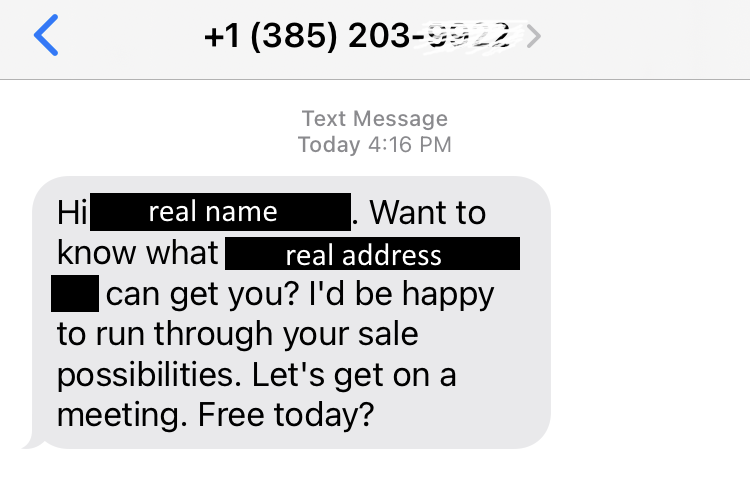
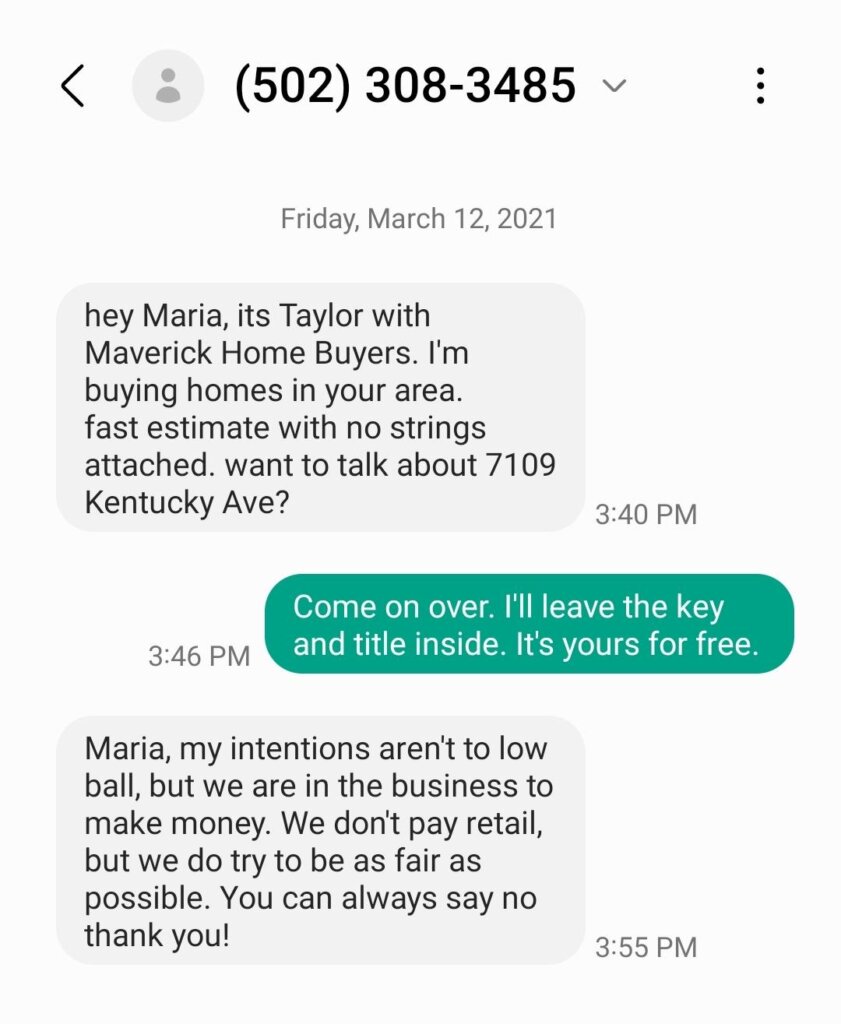
If you own property, chances are you’ve received texts like:
- “Interested in selling your house?”
- “We can close fast with cash.”
- “Is this property still available?”
Over the last several years, text-message marketing has become common in real estate.
Some companies use texting legally and professionally.
Others use mass “SMS blaster” systems that may violate:
- spam regulations
- TCPA laws
- Do Not Call rules
- consent requirements
Unfortunately, scam activity has also increased alongside legitimate marketing.
That’s making many homeowners more cautious about who they respond to.
What Is an SMS Blaster?
An SMS blaster is software designed to send large numbers of text messages simultaneously.
These systems became popular in industries like:
- marketing
- political campaigns
- emergency notifications
- law enforcement alerts
- real estate lead generation
In real estate, some investors and wholesalers began using mass texting to contact property owners at scale.
The goal was simple:
“reach large numbers of homeowners quickly and cheaply.”
However, the rise of automated texting also created abuse problems.
The Difference Between Legal and Illegal Real Estate Texting
Not every real estate text is illegal.
There are legitimate companies that:
- manually text prospects
- honor opt-out requests
- follow compliance rules
- avoid deceptive tactics
- properly identify themselves
But illegal operators often use:
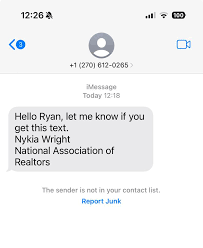
- spoofed phone numbers
- fake identities
- automated spam systems
- misleading language
- aggressive texting volume
Some may even pretend to be:
- local buyers
- neighbors
- title companies
- banks
- government agencies
to gain trust.
What Is “Smishing”?
“Smishing” is a combination of:
- SMS
- phishing
It refers to scam text messages designed to:
- steal personal information
- trick recipients into clicking malicious links
- collect banking details
- impersonate legitimate businesses
In real estate, smishing scams may involve:
- fake wire instructions
- fraudulent title company messages
- fake property inquiries
- “cash buyer” impersonation scams
Some scammers specifically target:
- older homeowners
- inherited property owners
- distressed sellers
because they believe those owners may be more vulnerable.
Red Flags Homeowners Should Watch For
🚩 The Sender Avoids Identifying Themselves
Legitimate businesses usually provide:
- a real name
- company information
- contact details
Scam texts often stay vague.
🚩 Excessive Pressure
Be cautious if someone:
- pushes urgency immediately
- pressures you to sign quickly
- discourages legal review
- refuses to answer questions clearly
🚩 Suspicious Links
Never click random property or payment links from unknown senders.
Especially avoid:
- shortened URLs
- login requests
- wire transfer instructions via text
🚩 Constant Spam From Different Numbers
Some illegal SMS blasters rotate numbers automatically to avoid spam blocking.
If you opt out repeatedly but continue receiving texts, that may indicate non-compliant marketing.
Why Some Homeowners Distrust Real Estate Texting
The industry has unfortunately developed a reputation problem in some markets because of:
- aggressive wholesalers
- mass texting abuse
- misleading offers
- fake buyers
- spam tactics
Some homeowners now assume every investor text is a scam—even when legitimate local companies are trying to communicate professionally.
That’s why transparency matters.
How Legitimate Companies Usually Operate
Professional real estate companies typically:
- identify themselves clearly
- communicate respectfully
- provide opt-out options
- answer questions openly
- avoid deceptive messaging
Many also:
- use direct conversations instead of automated blasting
- focus on relationship-building
- comply with communication regulations
The difference is usually obvious once a real conversation starts.
Why Homeowners Should Verify Before Responding
Before discussing your property with anyone, it’s smart to:
- verify the company exists
- check reviews
- look for a real website
- confirm local presence
- ask questions about the process
A trustworthy company should never hesitate to explain:
- who they are
- how they operate
- how offers work
- whether there are fees or obligations
Are All Investor Text Messages Scams?
No.
Some investors and home buyers operate completely legally and professionally.
But homeowners should understand there’s a major difference between:
- transparent local businesses
and - anonymous mass-texting operators using questionable tactics.
The safest approach is staying cautious, asking questions, and avoiding anyone who creates pressure or avoids transparency.
Why Some Homeowners Still Respond to Real Estate Texts
Despite the spam concerns, many homeowners still explore direct-sale options because they may want to:
- avoid repairs
- sell inherited properties
- move quickly
- avoid listing uncertainty
- simplify the process
For some sellers, speaking directly with a legitimate local buyer can provide useful information—even if they ultimately choose another route.
The key is making sure the company is real, transparent, and operating professionally.
Final Thoughts
SMS marketing has changed real estate significantly over the past decade.
While some companies use texting responsibly, illegal SMS blasters and smishing scams have made many homeowners understandably skeptical.
If you receive a text about your property:
- verify who you’re speaking with
- avoid clicking suspicious links
- never share sensitive information immediately
- take time to research the company first
A legitimate home buyer or real estate company should always be willing to communicate openly, answer questions clearly, and respect your decision-making process.